

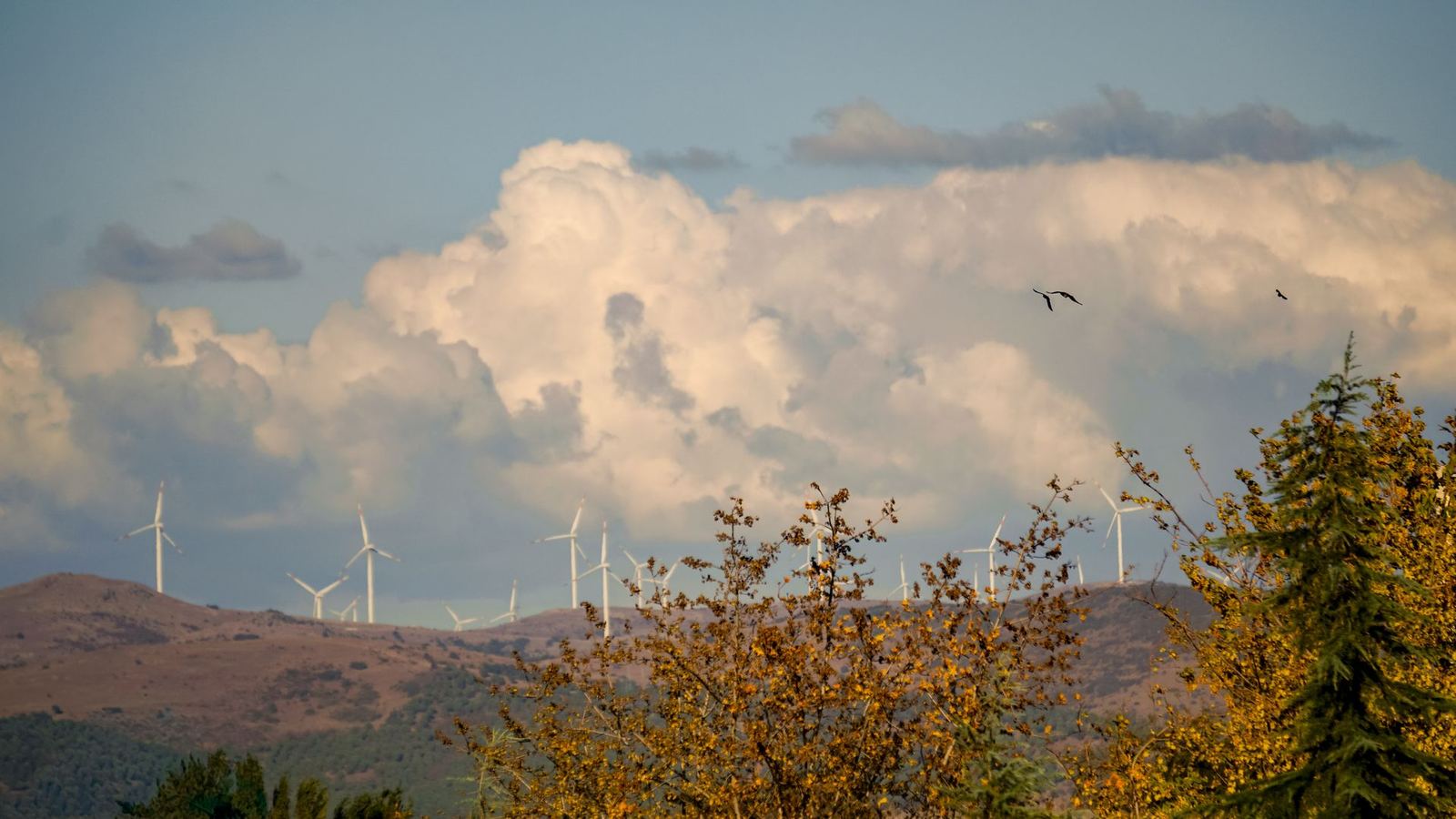
Reducing bird collisions depends on sound site selection and radar systems that stop turbines at risky moments.
One of the most common questions about wind power concerns birds. The short answer is that a wind farm built in the right place with the right safeguards can reduce its effect on birds considerably, while one built in the wrong place poses a real risk. That is why every project starts with site selection.
Step one: avoid high-risk sites
Migration corridors, wetlands and raptor nesting areas are the most sensitive. When we shortlist a site we observe spring and autumn migration for at least two years. The flight height and density data decide which ridges receive turbines and which are avoided.
Step two: monitoring during operation
Monitoring continues after commissioning. Trained teams carry out collision surveys around turbine bases at set intervals; every finding is logged and analysed by species and location. The data satisfies our environmental permit conditions and feeds back into the design of later projects.
Step three: radar and camera shutdown
One of the most effective methods is to stop turbines temporarily when migration intensity peaks. Radars scanning horizontally and vertically at our sites send a signal to the SCADA system when a large flock is detected within a set height and distance. The control centre automatically stops the affected turbines until the flock has passed, then restarts them.
In 2025 this system operated at all nine wind farms. At sites near flyways such as Aksuyolu and Bozyel, the average shutdown time was 41 hours per turbine per year, about 0.5% of generation. A decision in favour of nature is possible at a very small production cost.
A different approach for bats
Bats are more active at night and at low wind speeds. In certain months, after sunset and when wind speed is below 5 m/s, we lock or greatly slow the blades. Bat activity is measured with acoustic detectors.
Transparency
We publish monitoring results in the Sustainability Report and have committed to making collision data public for every site by 2030. Wind power is a climate solution, but to be one that respects biodiversity it must be measurable and auditable.
An example from the field
In autumn 2025, over a single evening at Aksuyolu, the radar detected about 3,200 storks approaching the wind farm line. The system stopped six turbines for 38 minutes and restarted them automatically once the flock had passed. No collision finding was recorded at the site in the same period. Events like this show that monitoring is not only an obligation but part of how we operate.